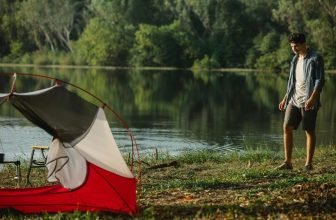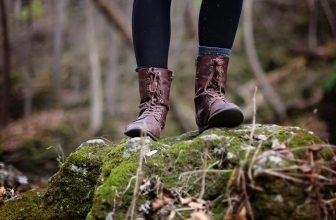
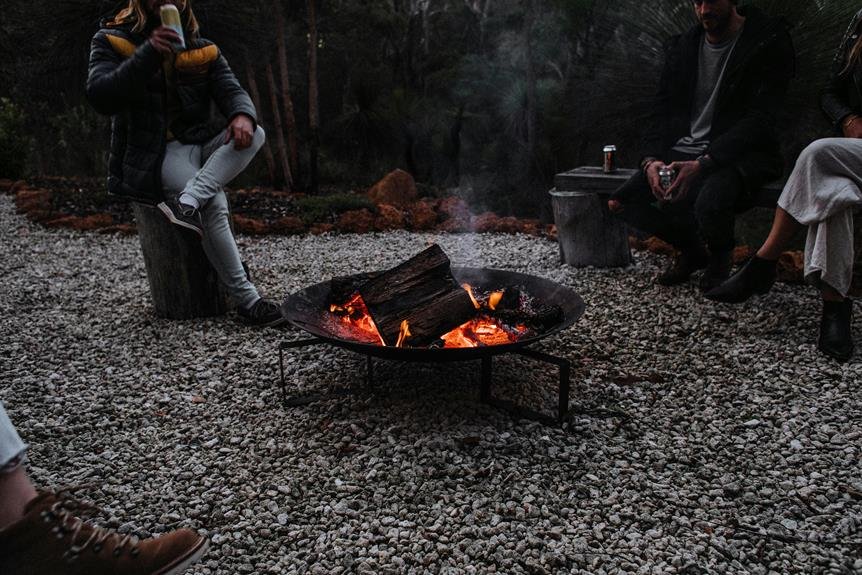
When venturing into the chilly wilderness for a camping trip, mastering the art of layering clothing can be the key to a comfortable and enjoyable experience. By strategically combining different layers, you can effectively regulate your body temperature, manage moisture, and shield yourself from harsh weather conditions. Whether you're a seasoned outdoor enthusiast or new to cold weather camping, understanding how to layer your clothing properly is crucial for ensuring a successful and cozy adventure in the great outdoors.
Importance of Layering
Layering your clothing when camping in cold weather is crucial for maintaining warmth and comfort throughout your outdoor adventures. By wearing multiple layers, you create pockets of air between each layer that act as insulation, trapping heat close to your body. This insulation is essential in preventing your body heat from escaping and shielding you from the cold temperatures outside.
Moreover, layering allows you to adjust your clothing to accommodate changes in weather or activity levels. Instead of relying on a single bulky garment, you can easily add or remove layers to regulate your body temperature. This versatility ensures that you stay comfortable and avoid overheating or becoming too cold during your camping trip.
In addition, layering helps manage moisture by wicking sweat away from your skin. The base layer absorbs moisture, while the outer layers protect against external moisture, keeping you dry and reducing the risk of hypothermia. Overall, proper layering is key to staying warm, dry, and comfortable while camping in cold weather.
Types of Base Layers
Choosing the right base layers is essential for effective insulation and moisture management during cold weather camping. Base layers come in different materials, each offering specific benefits. Synthetic base layers, like polyester or nylon, are great at wicking away moisture from your skin, keeping you dry and warm. Merino wool base layers are popular for their natural moisture-wicking properties and odor resistance, making them a versatile choice for various conditions.
When selecting base layers, consider the weight of the fabric. Lightweight base layers are perfect for high-intensity activities or milder weather, while midweight or heavyweight options provide more insulation for colder temperatures. Additionally, ensure a snug fit to maximize the base layer's effectiveness in trapping warm air close to your body.
Insulating Mid Layers
To enhance your insulation and warmth during cold weather camping, consider incorporating insulating mid layers into your clothing system. Insulating mid layers are crucial for trapping body heat and creating a thermal barrier between your base layer and outer shell.
Opt for materials like fleece, down, or synthetic fibers that provide excellent insulation while remaining lightweight and breathable. Fleece jackets are versatile and offer warmth without adding too much bulk, making them ideal for moderate cold conditions. Down jackets are incredibly warm and packable, perfect for frigid temperatures, but keep in mind they lose their insulating properties when wet.
Synthetic insulated jackets are a great alternative to down as they retain warmth even when damp. When choosing an insulating mid layer, consider factors such as weight, compressibility, and the level of activity you'll be engaging in.
Choosing Outer Shell Garments
For optimal protection against the elements during cold weather camping, prioritize selecting outer shell garments that offer both durability and weather resistance. Your outer shell serves as the first line of defense against wind, rain, and snow, so choosing the right material is crucial.
Look for waterproof and windproof fabrics like Gore-Tex or eVent that will keep you dry and shielded from harsh weather conditions. These materials are breathable, allowing moisture to escape while keeping you insulated. Additionally, consider features like sealed seams, adjustable hoods, and cuffs to further enhance protection.
A durable outer shell will withstand rough terrain and potential abrasions, ensuring longevity on your outdoor adventures. Opt for a jacket with reinforced areas in high-wear zones for added resilience. Remember to layer appropriately underneath your shell to maximize warmth and comfort.